Restaurant Bookkeeping: Why Your Books Are Different (And Harder)
Running a restaurant is one of the hardest things you can do in business. Thin margins, high volume, perishable inventory, tipped employees, and multiple revenue streams make it uniquely complex. Your bookkeeping reflects that complexity, and most general bookkeepers are not equipped to handle it.
If you own a restaurant, bar, brewery, or food truck in DFW, here is what makes your books different from every other small business and why it matters.
POS Systems Create a Data Flood
Whether you use Toast, Square, SpotOn, or Clover, your POS system generates hundreds of transactions every day. Each one needs to be properly categorized: food sales, bar sales, catering, gift cards, tips, discounts, voids, and refunds. If your bookkeeper is manually entering these or lumping them into one big deposit, your reports are useless.
Proper restaurant bookkeeping means reconciling POS reports to bank deposits daily or weekly, not monthly. The longer you wait, the harder it is to find discrepancies.
Food Cost Is Your Most Important Number
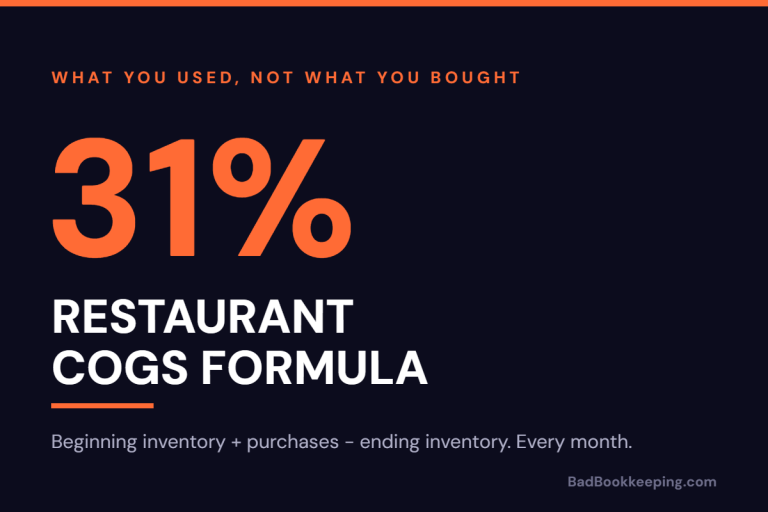
Your food cost percentage tells you whether your menu pricing works. The industry target is 28 to 35 percent, depending on your concept. But you cannot calculate food cost accurately without proper bookkeeping. You need clean records of every invoice from every supplier, accurate inventory counts, and correct revenue categorization.
If you do not know your food cost within 2 percentage points right now, your books are not giving you what you need.
Prime Cost Determines Your Survival
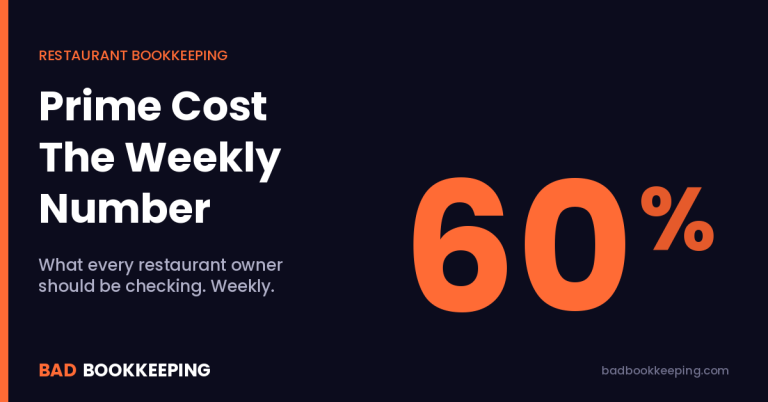
Prime cost is your total cost of goods sold plus total labor cost, divided by total revenue. For most restaurants, this should be between 55 and 65 percent. If yours is above 65, you are probably losing money even if your bank account looks okay.
Tracking prime cost requires accurate bookkeeping across both your food costs and your labor costs, including payroll taxes, benefits, and workers comp. Most general bookkeepers do not track this metric because they do not know it exists.
Tips and Payroll Are a Compliance Minefield
Tipped employees create payroll complexity that other businesses do not have. Tip credits, tip pooling rules, overtime calculations on tipped wages, and proper reporting to the IRS all require precision. Getting this wrong does not just mess up your books. It creates legal liability.
Sales Tax Gets Complicated Fast
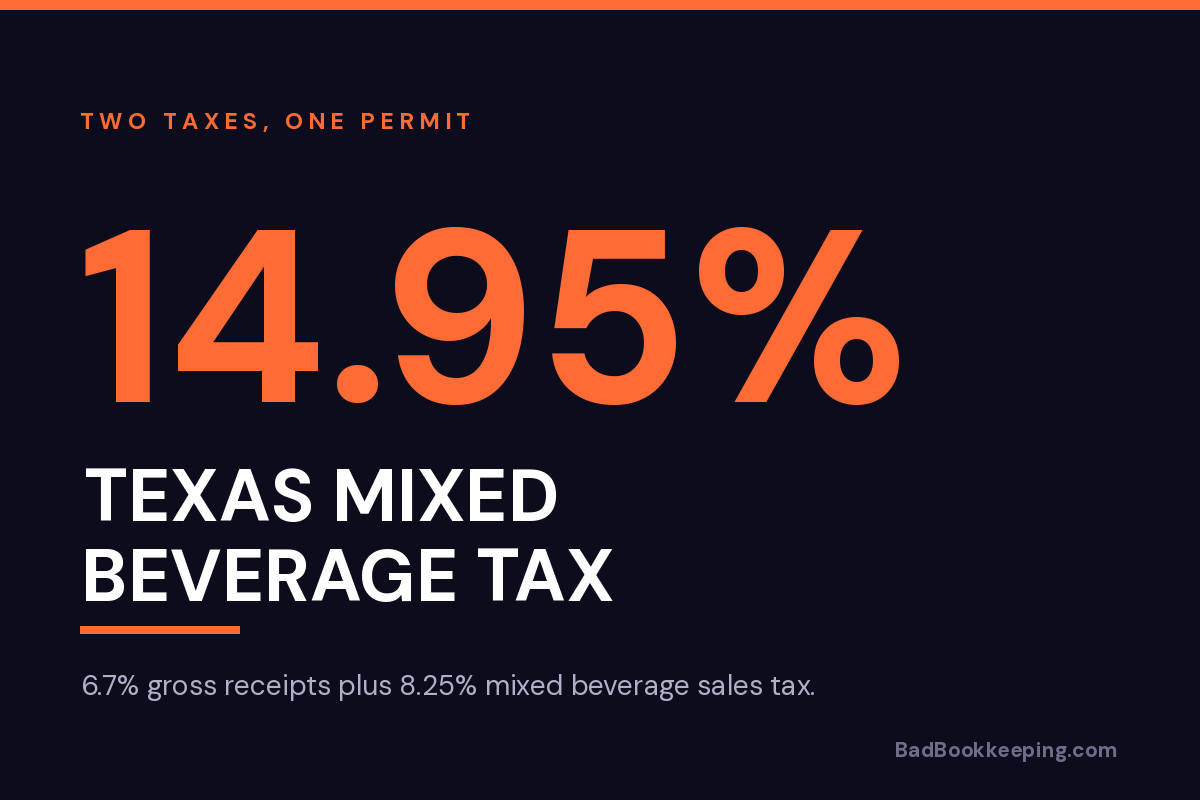
In Texas, most food and beverages sold in restaurants are taxable, but some are not. Catering may have different rules than dine-in. Alcohol has its own tax requirements. If your bookkeeper is not separating these correctly, you could be overpaying or underpaying sales tax, both of which cause problems.
What Good Restaurant Bookkeeping Looks Like
A bookkeeper who understands restaurants will give you weekly POS reconciliation, accurate food cost tracking, prime cost reporting, proper tip and payroll categorization, and sales tax compliance. They will set up your chart of accounts specifically for food service and give you reports that actually help you make decisions.
If your current bookkeeper cannot tell you your food cost percentage and prime cost for last month, they are not the right fit for a restaurant.
Need restaurant-specific bookkeeping help? We work with restaurants, bars, and breweries across DFW. We speak Toast, Square, and SpotOn fluently.
Ready to talk to a human about your books?
Book a free 15-minute discovery call. We’ll talk through your situation, tell you what it would take to fix, and give you a real quote. No pressure, no sales pitch.