
Texas Mixed Beverage Tax: What Restaurants and Bars Actually Owe
Two taxes, one permit and a state that already knows what you bought. Who owes Texas mixed beverage tax, what it covers beyond the drink, tax-included pricing, filing and audits.
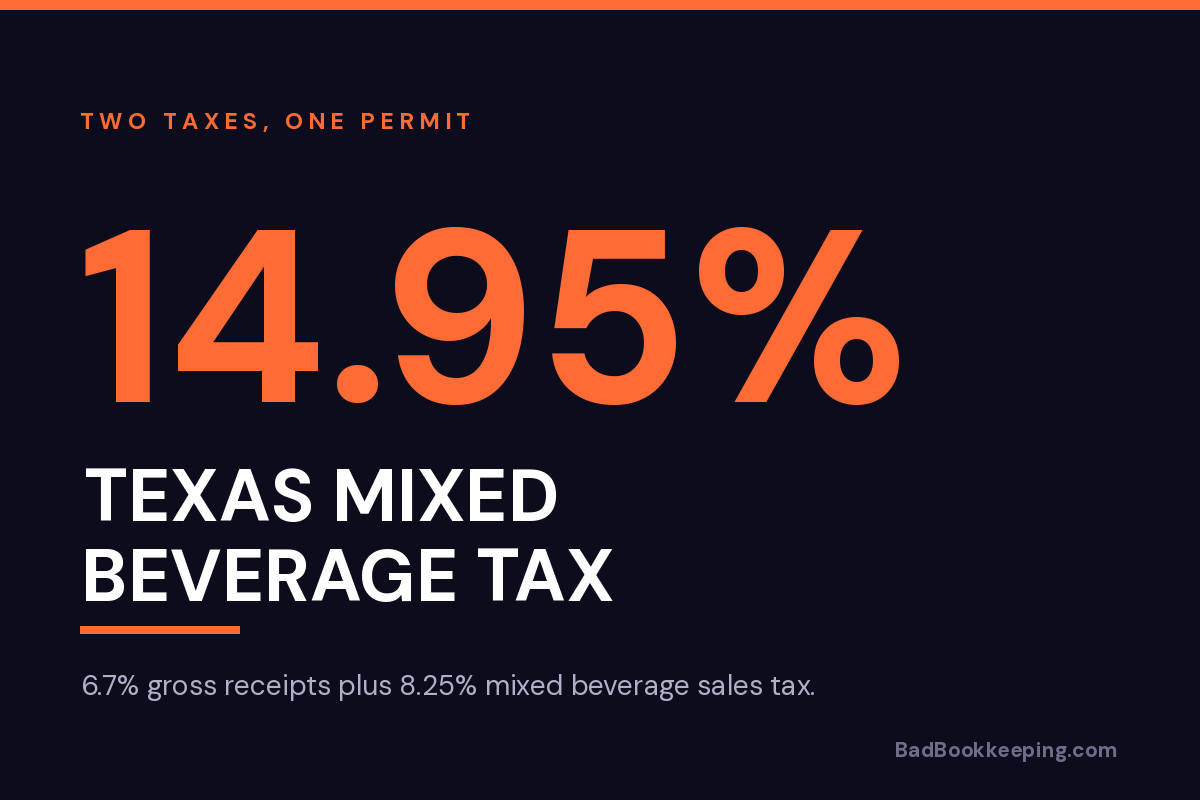
Two taxes, one permit and a state that already knows what you bought. Who owes Texas mixed beverage tax, what it covers beyond the drink, tax-included pricing, filing and audits.
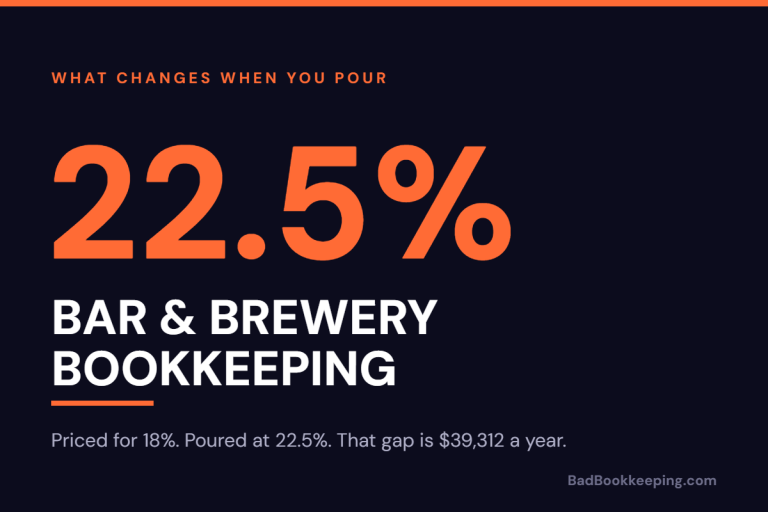
Bar bookkeeping adds pour cost, two Texas mixed beverage taxes and, for breweries, TTB excise and cost per barrel. Here is what changes and how to book it.
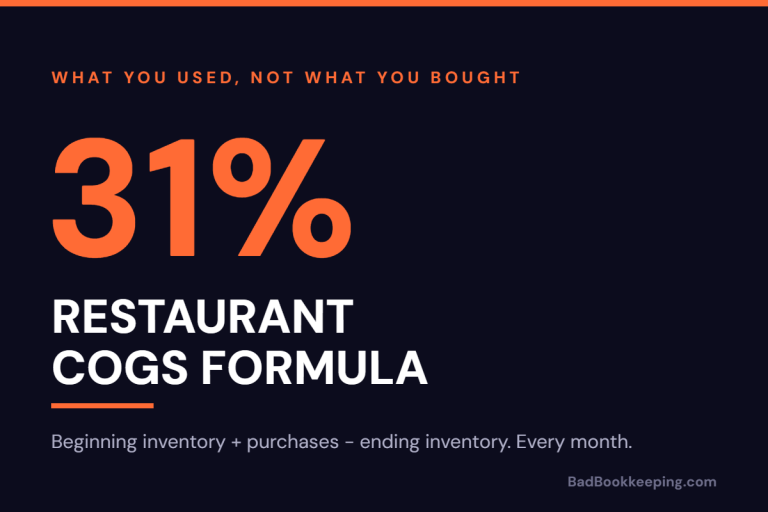
Beginning inventory plus purchases minus ending inventory. The restaurant COGS formula is simple; the inputs are where it goes wrong. A worked example, the QuickBooks Online entry, and the three mistakes that swing your food cost by four points for no reason.

Tips are not revenue, auto-gratuity is not a tip, and the tip pool is not a group chat. How tip pool accounting should work in QuickBooks Online, and the five places it usually goes wrong.
Most restaurants count inventory once a month, and usually only because someone needs a number for the books. By then the month is over, the food is gone, and whatever was quietly draining cash has already done its damage. You cannot fix a leak you only find thirty days after it started. Weekly counts are…
Prime cost is the single number that predicts whether a restaurant survives the month. Here is how to calculate it weekly and what to do when it runs hot.
Running a restaurant in Dallas or Fort Worth? Here’s what generic bookkeepers get wrong about Texas sales tax, mixed beverage tax, tip reporting, and POS reconciliation.
Restaurant bookkeeping is harder than other industries. POS reconciliation, food cost tracking, prime cost, tipped payroll, and sales tax all require specialized knowledge.
Restaurant finances are uniquely complex. Here is what you need to track to stay profitable and avoid tax season disasters.